Ortodonti Tedavisi: Diş ve Çene Düzeltme Yöntemleri
Ortodonti Nedir?
Ortodonti, dişlerin ve çenelerin hizalanmasını düzeltmek ve estetik ile fonksiyonel açıdan daha sağlıklı bir ağız yapısı oluşturmak amacıyla yapılan diş hekimliği dalıdır. Ortodontik tedavi, genellikle dişlerdeki çapraşıklık, çene bozuklukları ve dişlerin düzgün olmayan sıralanması gibi sorunları düzeltmek için kullanılır.
Ortodontik Tedaviye Neden İhtiyaç Duyulur?
Ortodontik tedavi, çeşitli sebeplerle gerekebilir. Bunlar arasında:
- Diş Çapraşıklığı: Dişlerin düzgün sıralanmaması.
- Ağız Kapanış Sorunları: Dişlerin üst üste binmesi, aşırı öne ya da arkaya kayması gibi kapanış sorunları.
- Diş Aralıkları: Dişler arasında aşırı büyük aralıklar.
- Çene Problemleri: Üst çene ile alt çene arasındaki uyumsuzluk, çene kayması gibi sorunlar.
- Ağız-Diş Fonksiyonel Sorunları: Konuşma, yutkunma veya çiğneme sorunları.
Ortodontik Tedavi Yöntemleri
Ortodontik tedavi, çeşitli teknikler ve araçlar kullanılarak uygulanır. En yaygın kullanılan ortodontik tedavi yöntemleri şunlardır:
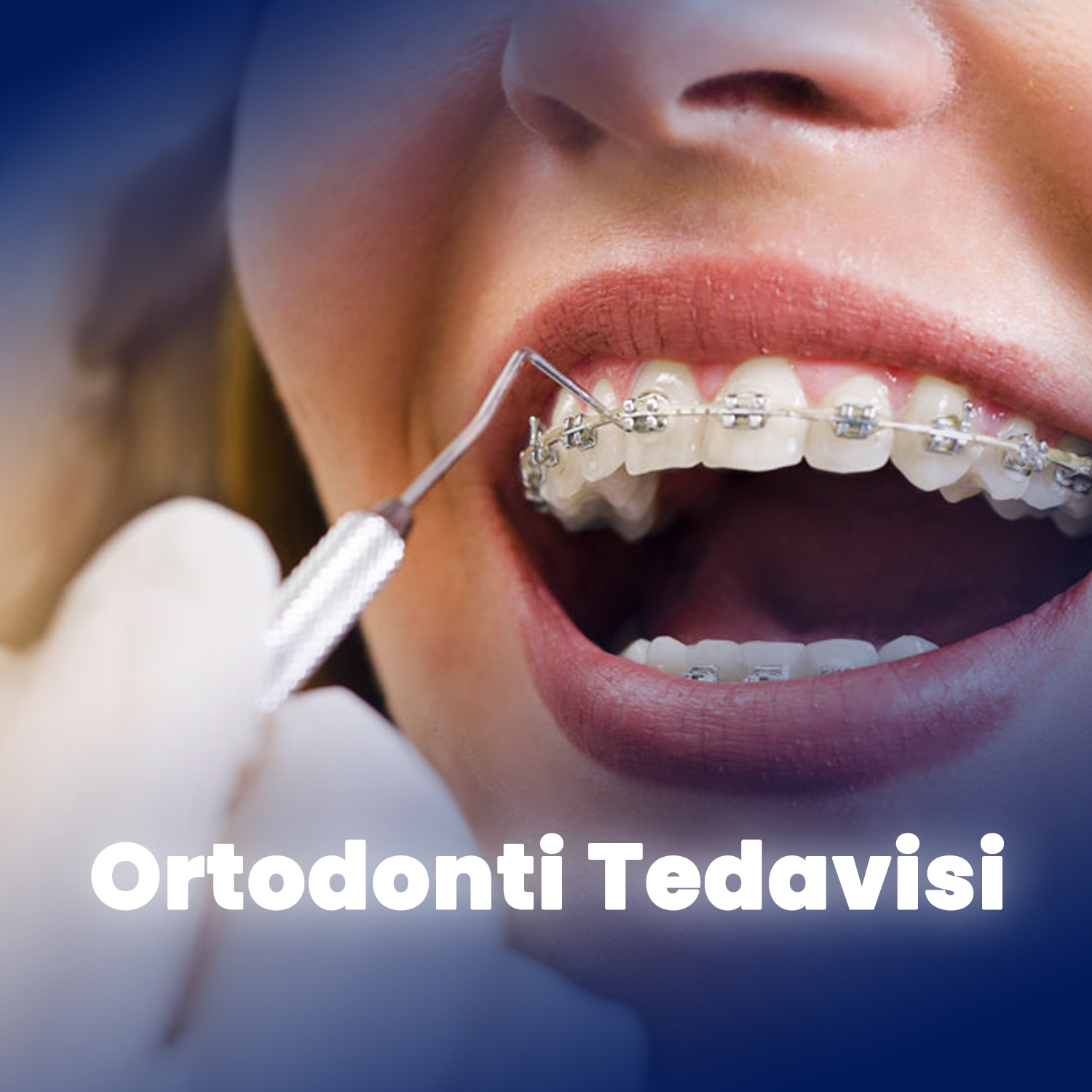
Braketler (Diş Teli): Ortodontik tedavinin en yaygın yöntemi braketlerdir. Metal, seramik veya şeffaf braketler dişlerin üzerine yerleştirilir ve dişlerin düzgün sıralanması sağlanır. Braketler, tel yardımıyla dişleri istenen pozisyona yönlendirir.
Şeffaf Plaklar (Invisalign): Şeffaf plaklar, dişlere takılabilen çıkarılabilir ve estetik açıdan daha az dikkat çeken bir alternatiftir. Dişlerin üzerine takılan bu plaklar, dişleri yavaşça düzeltir ve ortodontik tedavi sürecinde daha az rahatsızlık verir.
Palatal Aparatlar: Üst çenede meydana gelen genişleme ve düzeltilmesi gereken kemik sorunları için kullanılır. Genellikle çocuklarda kullanılır ve çene gelişimi üzerinde etkilidir.
Çene Cerrahisi: Özellikle çene büyümesi ve gelişim bozuklukları olan bireylerde, ortodontik tedaviye ek olarak çene cerrahisi uygulanabilir. Bu cerrahi işlemler, dişlerin ve çenenin daha iyi bir hizaya gelmesini sağlar.
Ortodontik Tedavi Süreci
Ortodontik tedavi genellikle birkaç aşamadan oluşur:
- Değerlendirme ve Planlama: İlk muayenede, diş hekimi hastanın diş yapısını, çene uyumunu ve genel ağız sağlığını değerlendirir. Röntgen ve dijital analizler ile tedavi planı oluşturulur.
- Tedavi Başlangıcı: Braketlerin veya diğer aparatlar hastanın dişlerine yerleştirilir. Bu aşama genellikle birkaç saat sürebilir.
- Tedavi Süreci: Diş telleri ve diğer aparatlarla dişlerin ve çenelerin düzeltilmesi sağlanır. Tedavi süresi kişinin durumuna göre değişir ancak genellikle 1,5 ila 3 yıl arasında değişir.
- Sonlandırma ve Takip: Tedavi tamamlandıktan sonra, genellikle dişlerin düzgün pozisyonunu korumak için bir süre koruyucu apareyler kullanılır.
Ortodontik Tedavi Faydaları
- Estetik İyileşme: Dişlerin düzgün sıralanması, gülüşün estetik görünümünü önemli ölçüde iyileştirir.
- Daha Sağlıklı Dişler: Düzenli sıralanmış dişler, temizliği daha kolay hale getirir ve diş çürümesi, diş eti hastalıkları gibi sorunların önlenmesine yardımcı olur.
- Daha İyi Çene Fonksiyonu: Doğru çene hizalaması, çiğneme, yutkunma ve konuşma fonksiyonlarını iyileştirir.
- Özgüven Artışı: Gülüşündeki değişim, birçok kişide özgüven artışına yol açar.
Ortodontik Tedavi Sonrası Dönem
Tedavi tamamlandıktan sonra, dişlerin ve çenenin düzgün pozisyonunun korunması için birkaç önlem alınması gerekir:
- Koruyucu Aparatlar: Tedavi sonrası dişlerin yeni pozisyonunu korumak için genellikle koruyucu plaklar veya retainer kullanılır.
- Düzenli Kontroller: Tedavi sonrasında, ortodontistin önerdiği sürelerde düzenli kontroller yapılmalıdır.
- İyi Ağız Bakımı: Ortodontik tedavi sırasında olduğu gibi, tedavi sonrasında da düzenli fırçalama ve diş ipi kullanımı çok önemlidir.