
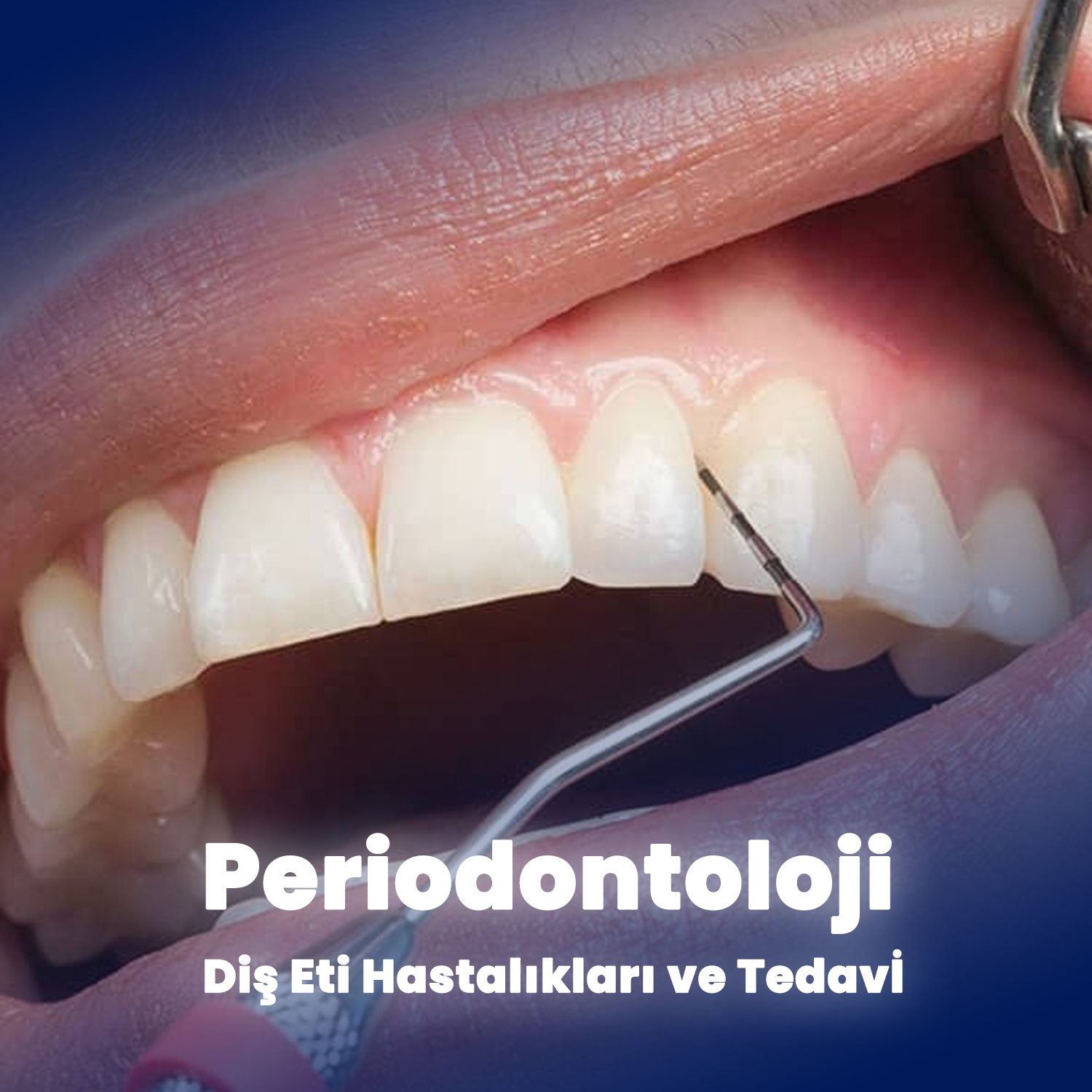
Periodontoloji: Diş Eti Hastalıkları ve Tedavi Yöntemleri
Periodontoloji, diş eti hastalıklarının teşhis ve tedavisiyle ilgilenen bir diş hekimliği dalıdır. Diş etleri, dişlerin çevresini saran yumuşak dokular ve kemiklerdir. Sağlıklı bir periodontium (diş eti ve çevresi dokular) dişlerin sağlam bir şekilde ağızda tutulmasını sağlar. Periodontal hastalıklar, genellikle ağızda biriken bakteriyel plağın etkisiyle başlar ve tedavi edilmezse diş kaybına kadar gidebilir. Bu nedenle periodontoloji, diş sağlığı açısından önemli bir rol oynar.
Periodontal Hastalıkların Nedenleri
Periodontal hastalıklar genellikle şu faktörlerden kaynaklanır:
- Bakteriyel plak: Dişlerin yüzeyinde biriken, zararlı bakterilerle dolu ince tabaka.
- Düşük ağız hijyeni: Yetersiz diş fırçalama ve diş ipi kullanımı, diş etlerinin iltihaplanmasına yol açabilir.
- Sigara içmek: Sigara, diş eti hastalıklarını artıran önemli bir faktördür.
- Genetik yatkınlık: Bazı insanlar, aile geçmişi nedeniyle diş eti hastalıklarına daha yatkındır.
- Diyabet: Diyabet, diş eti hastalıklarını kötüleştirebilir ve tedavi edilmezse daha ileri seviyelere taşır.
Periodontal Hastalıkların Aşamaları
Periodontal hastalıklar, çeşitli aşamalarda gelişebilir:
- Gingivitis (Diş Eti İltihabı): Diş etlerinin şişmesi, kanama ve kızarıklıkla kendini gösterir. Gingivitis, tedavi edilmezse periodontitis evresine geçebilir.
- Periodontitis (Diş Eti ve Kemik İltihabı): Diş eti iltihabı ilerleyip, dişlerin etrafındaki kemik ve bağ dokusuna zarar verir. Dişlerin gevşemesi veya kaybolmasına yol açabilir.
- İleri Düzey Periodontitis: Kemik kaybı ciddi boyutlara ulaşır ve dişlerin kaybına neden olabilir.
Periodontal Tedavi Yöntemleri
Periodontoloji tedavisi, hastalığın seviyesine göre değişebilir:
- Diş temizliği: Diş etlerinin altındaki plağın ve tartarın temizlenmesi, diş eti hastalıklarını önlemenin ilk adımıdır.
- Kök düzlemesi: Diş köklerindeki pürüzlülükler temizlenir, bu da bakterilerin diş etlerine zarar vermesini engeller.
- Cerrahi tedavi: İleri düzey periodontal hastalıklarda, diş eti cerrahisi gerekebilir. Diş etleri açılır ve daha derin temizlik yapılır.
- Diş eti grefti: Diş etlerinin çekilmesi durumunda, kaybolan doku yerine yeni doku eklenebilir.